
The journey of gambling from ancient rituals to modern casinos
Origins of Gambling in Ancient Civilizations
The practice of gambling can be traced back thousands of years, with ancient civilizations engaging in various forms of chance games. Archaeological findings suggest that the earliest records of gambling activities emerged in Mesopotamia, where clay dice dating back to around 3000 BC were discovered. These primitive games served not only as entertainment but also played a significant role in social rituals and decision-making processes within communities. Today, while exploring options, one might come across non gamstop casinos 2026 that reflect the evolution of these early practices.
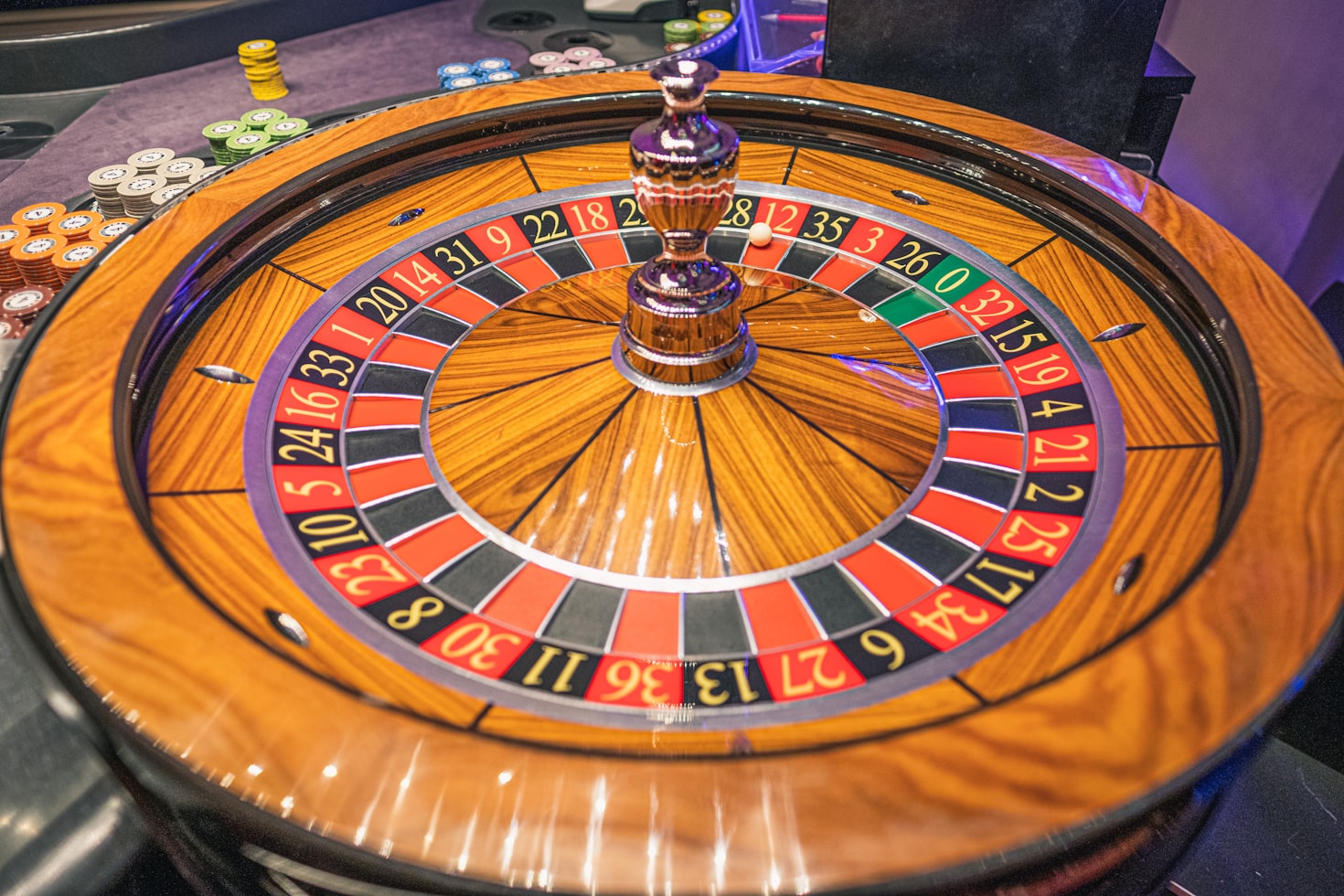
In addition to Mesopotamia, ancient cultures like the Egyptians and Romans participated in gambling activities. The Egyptians utilized betting in their board games, while the Romans embraced gambling as a popular pastime during festivities. This widespread acceptance of gambling set the stage for the evolution of more organized and complex gambling structures in the future.
The Role of Gambling in Cultural Rituals
Throughout history, gambling has been intertwined with cultural and religious rituals. Many ancient societies used games of chance as methods to predict the future or seek favor from the gods. For instance, the Chinese played games involving tiles and cards that were believed to communicate with divine forces. These practices highlighted the psychological allure of gambling, where uncertainty and the potential for reward created both excitement and fear.
As societies evolved, so did the rituals surrounding gambling. It transformed from mere entertainment into a significant cultural phenomenon, symbolizing fortune, destiny, and social status. This transition emphasized the psychological dynamics at play in gambling, where the thrill of risk and the hope of winning became deeply embedded in societal customs.
Emergence of Formal Gambling Institutions
By the late Middle Ages, gambling had transitioned from informal practices to more structured establishments. The establishment of official gambling houses in cities across Europe marked a pivotal moment in the evolution of gambling. These institutions provided a controlled environment for betting, with rules and regulations that aimed to protect both the house and the players.
The advent of lotteries also emerged during this period, as governments sought to generate revenue. These lotteries not only fueled the growth of gambling but also highlighted its psychological aspects, as players were drawn to the possibility of life-changing winnings. This era laid the groundwork for the modern casino concept, blending entertainment with financial opportunity.
The Rise of Modern Casinos
The 20th century saw a monumental shift in gambling, particularly with the emergence of modern casinos. Las Vegas became the epicenter of this transformation, featuring grand establishments that combined lavish entertainment with various gaming options. This evolution was marked by a clear understanding of the psychology of gambling, as casinos employed tactics such as lighting, sound, and layout to enhance the overall experience and encourage spending.
With the rise of technology, the gambling industry adapted, leading to the development of online casinos. This innovation allowed players to gamble from the comfort of their homes, expanding the reach of gambling and introducing new psychological elements, such as the allure of anonymity and convenience. The combination of traditional and modern practices has resulted in a diverse and dynamic gambling landscape today.
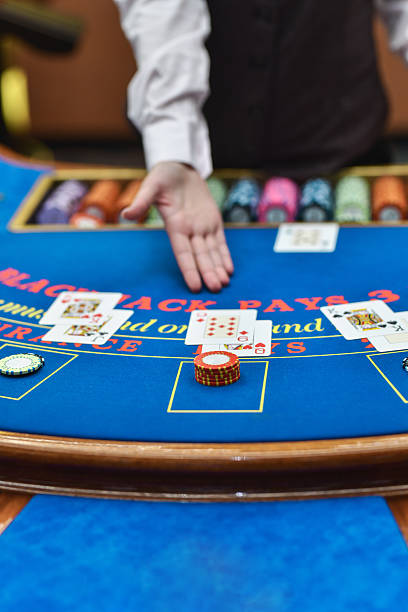
Commitment to Security and User Experience
In the modern age of online gambling, the protection of user data and integrity is paramount. Websites dedicated to gambling provide secure platforms, often employing advanced technologies to ensure a safe environment for players. This commitment to security not only fosters trust but also enhances the overall user experience.
As gambling continues to evolve, the focus remains on understanding the psychological aspects that drive engagement. Players seek not only entertainment but also a sense of community and excitement. As a result, gambling platforms must continuously adapt, ensuring that they meet the needs and preferences of a diverse audience while prioritizing their safety and satisfaction.